RELAX PHYSICALLY. SWITCH OFF MENTALLY.
Shiatsu in Central London
Stress doesn’t always stay in your head.
When life is demanding, many people notice it physically too — tight shoulders, a tense back, a clenched jaw, shallow breathing or simply the feeling that their whole body is struggling to let go.
Shiatsu is a Japanese form of hands-on bodywork designed to encourage deep relaxation and release physical tension.
Drawing on the same traditional meridian system as acupuncture, Shiatsu uses pressure from the hands and thumbs rather than needles, together with gentle stretching and movement.
At our Central London clinic, Alexandra Evans brings more than 30 years of experience to treatments that consider both how your body feels and how you are feeling emotionally.
Whether you’re physically tense, emotionally stressed or simply finding it difficult to switch off, your session gives you time to slow down and let go.
✓ Over 30 Years’ Experience ✓ Fully Clothed Treatment
✓ Pressure, Stretching & Bodywork ✓ Central London Clinic
Quoted in The Sunday Times • 30+ Years Experience • Open 6 Days • Established 1991
Understanding Shiatsu
What is Shiatsu?
Shiatsu is a Japanese form of bodywork combining pressure, touch, movement and gentle stretching.
The word Shiatsu literally means “finger pressure.”
Shiatsu developed from traditional East Asian medicine and shares much of the traditional philosophy behind acupuncture.
Both approaches traditionally work with pathways known as meridians and the concept of Qi or Ki — the body’s energy within traditional East Asian medicine.
The obvious difference is that there are no needles in Shiatsu.
Instead, Alexandra works with her hands, thumbs and palms, applying pressure along different areas of the body and incorporating stretching and movement where appropriate.
You remain fully clothed throughout so wear comfortable clothes.
You could think of Shiatsu as the hands-on bodywork relative of acupuncture.
It draws on a similar traditional map of the body, but the experience is very different: warm, physical, hands-on and often deeply relaxing.
The concepts of Qi and meridians belong to the traditional theory behind Shiatsu and acupuncture rather than representing established structures in modern anatomy.
You don’t need to understand that theory — or even believe in it — to enjoy the treatment.
Featured in The Sunday Times
“Those in the know go to see Alexandra Evans” — The Sunday Times quoted our Shiatsu practitioner as the go-to expert for authentic Japanese bodywork therapy in London.
WHEN STRESS BECOMES PHYSICAL
Do You Feel Like You Carry Stress in Your Body?
Stress can be emotional, but our experience of it can also be very physical.
Think about what happens when you’re under pressure.
Your shoulders may creep upwards. Your jaw may tighten. Your breathing can change. Muscles around your neck and back may feel tense. You may find yourself physically bracing without even noticing you’re doing it.
After a difficult or emotionally demanding period, some people describe feeling as though they are “holding onto” the experience physically.That doesn’t mean an emotion is literally trapped inside a muscle.Rather, our emotional state and physical state are closely connected. Stress can be accompanied by changes in muscle tension, breathing, sleep, movement and how comfortable we feel in our own bodies.
Shiatsu gives you an opportunity to work from the physical side of that relationship.
Through sustained touch, pressure, gentle movement and stretching, Alexandra’s aim is to help you stop bracing, settle physically and experience what it feels like to let go.
For some people, that physical release can feel emotional too.
Deep Relaxation
Induces profound relaxation and stress relief for both mind and body.
Back Pain Relief
Effective treatment for back pain, stiffness and muscular tension.
Migraine Relief
Helps alleviate migraines, headaches and insomnia naturally.
Emotional Balance
Supports emotional wellbeing and helps with depression and anxiety.
Sports Injuries
Aids recovery from sports injuries and enhances athletic performance.
Digestive Health
Improves digestive function and helps with digestive problems.
Women’s Health
Helps with menstrual problems, pregnancy support and hormonal balance.
Energy Boost
Energises and revitalises your whole system for improved vitality.
WHERE DO YOU HOLD YOUR TENSION?
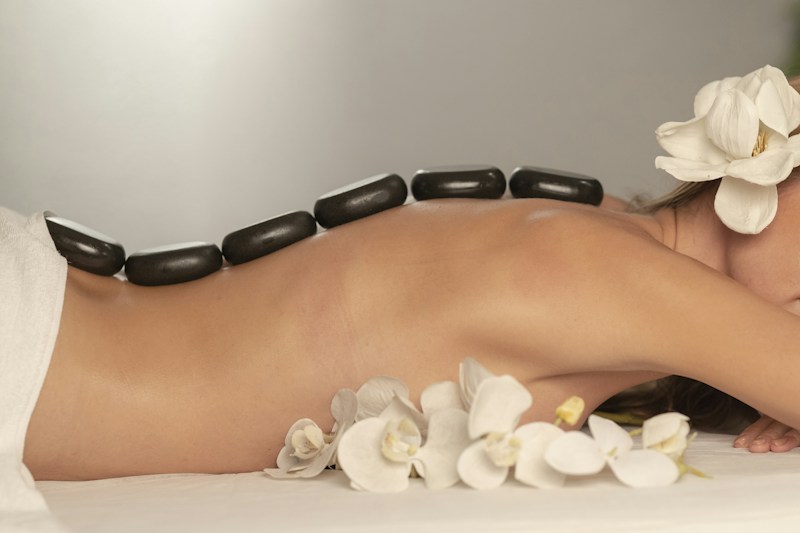
Stress, Shoulder Tension & Back Discomfort
One of the most common places people notice tension is around the shoulders, neck and back.
Long working days, emotional stress, prolonged sitting, tiredness and everyday physical demands can all coincide with increased muscular tension and discomfort.
You might notice:
- Tight shoulders
- An aching upper back
- A stiff or tense neck
- Lower-back tension
- A feeling of being physically “knotted up”
- Difficulty finding a comfortable resting position
- Feeling tense even when you’re trying to relax
- Physical tension that seems worse during stressful periods
Alexandra can use pressure, stretching and hands-on bodywork around these areas to encourage the muscles and surrounding tissues to relax.
For some people, reducing that muscular tension may also make an aching shoulder or back feel more comfortable.
Shiatsu isn’t intended to diagnose the cause of persistent back, neck or shoulder pain.
If your symptoms suggest an injury or musculoskeletal problem that needs clinical assessment, our osteopaths or physiotherapists may be more appropriate.
FROM “ON” TO “OFF”
Helping Your Body Settle
Sometimes the hardest thing about being stressed is that you know you need to relax — but can’t seem to make yourself do it.
You finish work, sit down or go to bed, yet your body still feels as though it is “on”.
Shiatsu creates a very different environment.
You are warm, supported and fully clothed. There is nothing you need to achieve. Alexandra works slowly with pressure, touch and movement while you allow your body to become progressively quieter.
Many of Alexandra’s clients become deeply relaxed during their treatment. Some fall asleep.
Rather than promising to “reset” your nervous system, we prefer to describe the experience more simply:
Shiatsu gives your body an opportunity to move away from a state of constant tension and towards a calmer, more relaxed state.
For someone who spends much of their week rushing, thinking, working and looking after everyone else, that can be valuable in itself.
What Should I Wear for Shiatsu?
What Should I Wear for Shiatsu?
You remain fully clothed throughout a Shiatsu treatment.
There are normally no oils and no need to undress.
Simply wear comfortable clothing that allows you to move easily, such as:
- Jogging bottoms
- Loose trousers
- Leggings
- A T-shirt
- A comfortable long-sleeved top
- Comfortable socks
Then you can simply get up at the end of your treatment and continue with your day.
WHERE DO YOU HOLD YOUR TENSION?
Stress, Shoulder Tension & Back Discomfort
One of the most common places people notice tension is around the shoulders, neck and back.
Long working days, emotional stress, prolonged sitting, tiredness and everyday physical demands can all coincide with increased muscular tension and discomfort.
You might notice:
- Tight shoulders
- An aching upper back
- A stiff or tense neck
- Lower-back tension
- A feeling of being physically “knotted up”
- Difficulty finding a comfortable resting position
- Feeling tense even when you’re trying to relax
- Physical tension that seems worse during stressful periods
Alexandra can use pressure, stretching and hands-on bodywork around these areas to encourage the muscles and surrounding tissues to relax.
For some people, reducing that muscular tension may also make an aching shoulder or back feel more comfortable.
Shiatsu isn’t intended to diagnose the cause of persistent back, neck or shoulder pain.
If your symptoms suggest an injury or musculoskeletal problem that needs clinical assessment, our osteopaths or physiotherapists may be more appropriate.
Book Your Shiatsu Session
THE MIND-BODY CONNECTION
Can Shiatsu Help Release Emotional Stress?
People sometimes become unexpectedly emotional during massage, Shiatsu, yoga or other forms of bodywork.
You might suddenly realise how tense you have been. You might feel relief. You may feel emotional, sleepy or simply very quiet.
Alexandra is comfortable with that.
Her approach has always included an awareness of both the physical body and the emotional person receiving treatment.
Rather than thinking of an emotion as literally being “trapped” inside a particular muscle, it can be more helpful to recognise that difficult experiences and prolonged stress can affect the way we breathe, move, sleep and hold muscular tension.
Sometimes working with the physical tension provides an opportunity to let some of that guarding go.
There is no emotional response you are supposed to have during Shiatsu.
Some people feel deeply relaxed. Some feel emotional. Some fall asleep. Others simply enjoy the treatment.
Your experience is your own.
Is Shiatsu Like Acupuncture Without the Needles?
There is a genuine historical and philosophical connection between Shiatsu and acupuncture, although they are different treatments.
Both draw from traditions of East Asian medicine and traditionally describe the body using Qi/Ki and meridians.
Acupuncture stimulates selected points using fine needles.
Shiatsu is bodywork. Alexandra uses her thumbs, hands and palms to apply pressure and works physically with the body, often incorporating movement and stretching.
So while it would be too simplistic to say the treatments are identical, Shiatsu can be thought of as a hands-on bodywork approach that shares important traditional concepts with acupuncture.
For people interested in that approach but uncomfortable with needles — or who simply prefer touch and bodywork — Shiatsu can be particularly appealing.
Who Comes to Alexandra for Shiatsu?
There isn’t one type of Shiatsu client.
You might book because:
- Life feels particularly stressful
- You find it difficult to switch off
- You feel emotionally drained or overloaded
- Your shoulders constantly feel tense
- Your back feels tight or uncomfortable
- You notice that stress makes your body tense
- You enjoy hands-on treatment
- You want pressure and stretching without massage oils
- You’re interested in an acupuncture-related traditional approach but don’t want needles
- You want some dedicated time for yourself
- You’ve had Shiatsu before and know how much you enjoy it
And you don’t need to wait until something is “wrong”.
Many people see Alexandra periodically simply because they value the opportunity to relax.
PreGNANCY AND POST NATAL CARE
What should I wear for Shiatsu?
Pregnancy changes your body considerably, and some women look to massage and complementary bodywork as a way to relax and feel more comfortable.
Alexandra has experience providing Shiatsu during pregnancy and the postnatal period.
Treatment should be adapted according to your stage of pregnancy, how you are feeling and any relevant medical considerations. Positioning and techniques can be changed to keep you comfortable.
If your pregnancy is high-risk, you have complications or you are uncertain whether bodywork is appropriate for you, discuss this with your midwife, GP or obstetric team before booking.
Shiatsu should complement rather than replace your routine antenatal care.
Book Your Shiatsu Session
Meet Alexandra.
She’s been helping Londoners find deep relaxation for over 30 years.

Alexandra Evans giving shiatsu treatment, which can be stress relieving, invigorating or simply very relaxing.
MEDIA RECOGNITION
“Those in the know go to see Alexandra Evans” — The Sunday Times
YEARS OF EXPERIENCE
30+ years practicing Shiatsu, Cranial Sacral & Yoga
How it started
Alex is a Shiatsu Practitioner, Bio-Dynamic Cranial Sacral Practitioner, Massage therapist and Yoga teacher. She has been practicing for over 30 years and loves her work. Alex loves working structurally to stretch and release the body particularly the lower back and believes having a treatment helps boost the whole body not just the injured area.
How it’s going
Many people also see Alex for regular treatment as a way of releasing the pressure of every day life and keeping themselves strong yet relaxed. She is excellent at getting you to deeply relax and let go – there’s many a person that’s fallen asleep during a session!! She always works with an awareness of emotions and a sense of the whole. She also works with pregnancy and post natal care.
Client Testimonials
Real Results From Real Clients
Stress Relief
“I’ve been seeing Alexandra for years now. Her Shiatsu sessions are the highlight of my month. I always leave feeling like a completely different person – lighter, calmer, and more centred. The stress of London life just melts away.”
— Client, City Professional
Back Pain
“After months of chronic lower back pain, I tried Shiatsu on a friend’s recommendation. Within a few sessions, I noticed significant improvement. Alexandra has magic hands and really understands how the body works as a whole system.”
— Client, Back Pain
Pregnancy Support
“Alexandra supported me throughout my pregnancy with gentle Shiatsu. It helped with my back discomfort and anxiety about becoming a first-time mum. I felt so nurtured and cared for during every session. Highly recommend!”
— Client, Pregnancy Care
Why Choose Us
Why choose our Shiatsu clinic in Central London?
30+ Years Experience
Our Shiatsu practitioner Alexandra has over 30 years of hands-on experience in Japanese bodywork therapy.
Media Recognised
Featured in The Sunday Times as the go-to practitioner for those in the know seeking authentic Shiatsu.
Central Location
Conveniently located in Shoreditch, easily accessible from Old Street, Moorgate and Liverpool Street.
Multi-Disciplinary
Alex is also trained in Cranial Sacral Therapy, massage and yoga for a truly holistic approach.
Pregnancy Support
Specialist expertise in pre and post-natal Shiatsu for expecting and new mothers.
Open 7 Days
Flexible scheduling with appointments available seven days a week to suit your lifestyle.
Our Shiatsu Expert
Alexandra Evans, Shiatsu in London
Featured in The Sunday Times
Alexandra Evans
Shiatsu Practitioner | Bio-Dynamic Cranial Sacral Practitioner | Massage Therapist | Yoga Teacher
Alex is a Shiatsu Practitioner, Bio-Dynamic Cranial Sacral Practitioner, Massage therapist and Yoga teacher. She has been practicing for over 30 years and loves her work.
Alex loves working structurally to stretch and release the body particularly the lower back and believes having a treatment helps boost the whole body not just the injured area. Many people also see Alex for regular treatment as a way of releasing the pressure of every day life and keeping themselves strong yet relaxed.
She is excellent at getting you to deeply relax and let go, there’s many a person that’s fallen asleep during a session!! So don’t be at all surprised…. She always works with an awareness of emotions and a sense of the whole.
“Taking time to de-stress even for an hour a week can make a marked impact on your life, give your body some quality respite to repair and relax itself.”
Book with Alexandra
Oriental Healing Traditions
Shiatsu and Traditional Chinese Medicine
Shiatsu shares the same philosophy and aims as acupuncture and is the massage part of this oriental treatment. Both therapies work on the principle of balancing the body’s energy flow through the meridian system.
Try Shiatsu Today
Common Questions
Frequently Asked Questions About Shiatsu
What is Shiatsu?
Shiatsu is a Japanese form of hands-on bodywork using pressure, touch, stretching and movement.
It developed from traditions of East Asian medicine and shares concepts such as Qi/Ki and meridians with traditional acupuncture.
Unlike acupuncture, Shiatsu does not use needles.
Is Shiatsu basically acupuncture without needles?
Not exactly, but they are related.
Shiatsu and acupuncture share aspects of their traditional East Asian philosophy, including the concepts of Qi and meridians.
Acupuncture uses needles at selected points, whereas Shiatsu is hands-on bodywork involving pressure, movement and stretching.
We sometimes describe Shiatsu as the bodywork relative of acupuncture because that gives new clients an easy way to understand the connection without suggesting the two treatments are identical.
What is the difference between Shiatsu and regular massage?
Both involve hands-on bodywork, but the experience is different.
Shiatsu is normally performed through clothing and doesn’t usually use massage oils.
Alexandra uses pressure with her hands and thumbs together with stretching and movement.
Shiatsu also comes from a traditional East Asian framework involving concepts such as meridians and Qi/Ki.
Can Shiatsu help with stress?
Many people choose Shiatsu specifically because they find the experience deeply relaxing.
Stress can also have physical effects, such as muscular tension and changes in breathing, sleep and how comfortable your body feels.
Shiatsu provides quiet, hands-on treatment intended to help you physically relax and move towards a calmer state.
It isn’t a substitute for appropriate medical or psychological care where stress, anxiety or another mental health problem requires professional treatment.
Can emotions become trapped in the body?
We wouldn’t describe emotions as literally becoming stored inside particular muscles or tissues.
However, emotional stress can have very real physical effects. People may tense their shoulders, clench their jaw, alter their breathing, sleep poorly or feel generally physically guarded when under pressure.
Some people therefore describe the experience of finally relaxing physically as an “emotional release”.
Alexandra works sensitively with that mind–body connection without assuming that everybody will have the same experience.
Does Shiatsu calm the nervous system?
Many people experience Shiatsu as calming and deeply relaxing.
Slow, comfortable touch and quiet bodywork can help create the conditions in which someone feels able to stop bracing and settle.
Rather than promising that Shiatsu medically “resets” your nervous system, we describe the intended experience more simply:
Helping your body move towards a calmer, more relaxed state.
Can Shiatsu help shoulder tension?
Shiatsu can involve hands-on pressure, movement and stretching around the shoulders, neck and upper back.
If your shoulders feel tense — particularly during stressful periods or after long working days — Alexandra can focus part of your treatment on these areas.
Persistent, severe or unexplained shoulder pain may need an appropriate musculoskeletal or medical assessment.
Can Shiatsu be combined with other treatments?
Potentially, yes.
Some people choose Shiatsu for relaxation and treatment while separately receiving physiotherapy, osteopathy, acupuncture or other healthcare for a specific problem.
What is appropriate depends on your individual circumstances.
Can Shiatsu help back pain?
People with muscular back tension may find Shiatsu comfortable and relaxing, particularly where their back feels tight or tense.
Alexandra particularly enjoys working structurally with the back using pressure and stretching.
However, back pain has many possible causes. Shiatsu shouldn’t replace appropriate assessment where pain is significant, persistent, worsening or accompanied by other concerning symptoms.
GIVE YOURSELF TIME TO STOP
Feeling Like Your Body Needs to Let Go?
Perhaps your shoulders have been up around your ears all week.
Perhaps your back feels tight.
Perhaps life has been emotionally demanding and you can feel that tension physically.
Or perhaps nothing is particularly wrong — you simply know you need to stop for an hour.
Alexandra’s approach to Shiatsu brings together more than 30 years of experience, hands-on bodywork, pressure, stretching and an awareness of the connection between physical and emotional tension.
You remain fully clothed.
You don’t need to know anything about meridians.
And you don’t need to achieve anything.
Just give yourself some time to stop.
Book a Shiatsu Treatment With Alexandra
325-327 Old Street, London EC1V 9LE • Mon-Fri: 9am-8pm | Sat: 10am-5pm | Sun: 10am-4pm
Find Alexandra and her shiatsu treatment in Shoreditch
Alexandra provides Shiatsu at our clinic at 325–327 Old Street, London EC1V 9LE.
We’re conveniently located for people living and working around Shoreditch, Old Street, the City, Moorgate, Liverpool Street, Angel and Islington, as well as those travelling from elsewhere in London.
Nearest stations: Old Street, Shoreditch High Street, Moorgate and Liverpool Street.

We provide Osteopathy, Physiotherapy and other treatments 6 days a week. Book your appointment online to find our availability.
© 2026 Central London Osteopathy and Sports Injury Clinic. All Rights Reserved
another NewMediaFarm production.